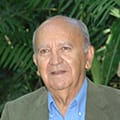
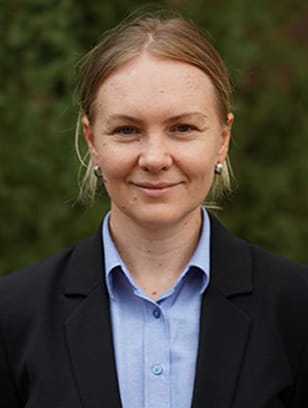
Vera Voronova is the exceptional leader of ACBK, Kazakhstan’s national civil society organization dedicated to nature conservation and restoration. She collaborates with multiple governments and conservation organizations to restore species, establish protected areas, and improve conservation legislation not only in Kazakhstan but throughout Central Asia. Particular focus is placed on the recovery of endangered mammal populations in the steppe regions, restoration of migration corridors, and protection of the Central Asian Flyway. Her initiatives have directly improved the livelihoods of rural communities, educated the next generation on environmental and conservation issues, and contributed to the conservation of migratory animals that cross national borders. Her approach serves as an exemplary model of engagement at all levels, employing whole-of-government and whole-of-society strategies. The project is expected to have further international impacts.
The MIDORI Prize for Biodiversity
Launched in 2010 in collaboration with the Secretariat of the Convention on Biological Diversity (SCBD), the MIDORI Prize for Biodiversity commemorated our 20th anniversary and coincided with COP10 in Japan. This international award honors individuals for outstanding contributions to biodiversity conservation, its sustainable use, and the creation of a sustainable society. To date, 21 individuals from 20 countries have been awarded. From 2009 to 2022, we also presented Japan Awards to 38 organizations.
Apply for the MIDORI Prize for Biodiversity 2026
Reference Materials
Introduction to the MIDORI Prize for Biodiversity
Biodiversity and Our Lives
So many delicious things are quietly supported by so many lives around us.
We stand with those who protect the rich connection between life and nature.
The 8th MIDORI Prize for Biodiversity Award Ceremony 2024
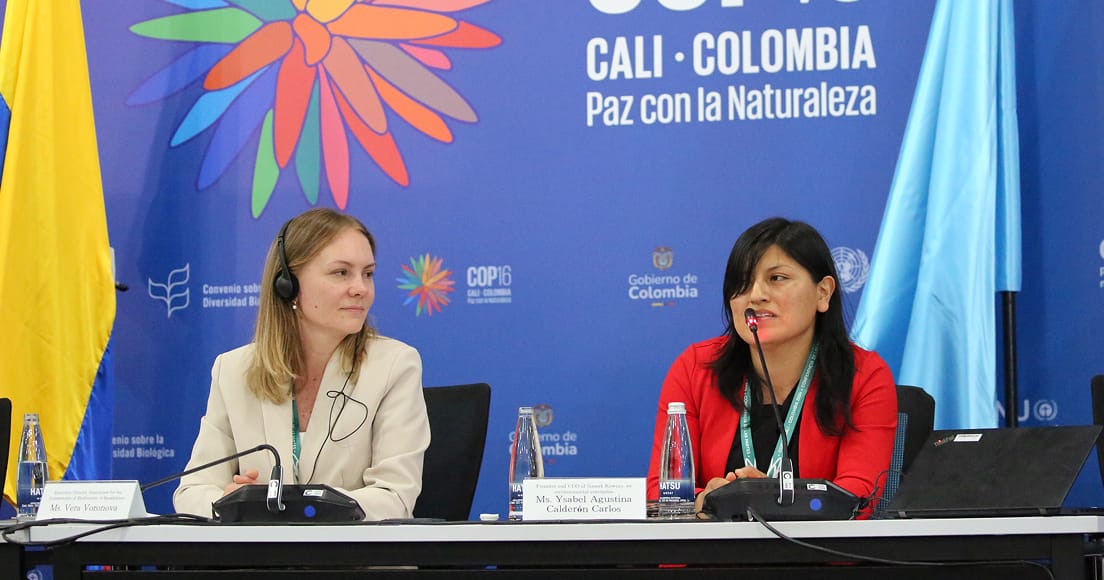
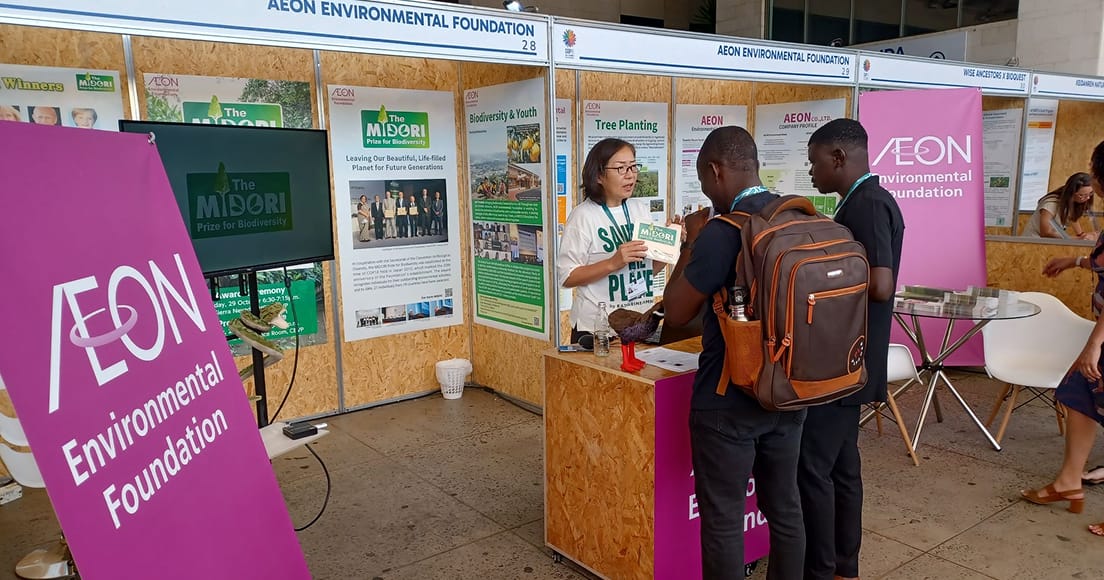
With the COP16 being held in Cali, Colombia in October 2024, we held the 8th MIDORI Prize for Biodiversity Award ceremony at the COP16 venue. We also held a press conference and set up an exhibition booth.
The 8th MIDORI Prize for Biodiversity Award Ceremony 2024
Overview of the Award
What is the MIDORI Prize for Biodiversity?
To ential for all stakeholders, including citizens, governments, international organizations, NGOs, researchers, and the private sector, to engage and cooperate. The MIDORI Prize aims to involve and collaborate with these diverse stakeholders, targeting all those who contribute to the conservation and sustainable use of biodiversity in the fields of practice, science, policy, and awareness.
Selection Criteria
Candidates must meet one or more of the following requirements.
Selection Process
Recruitment through “public nominations” from the website. After a preliminary selection by a specialized committee, the final awardees will be selected by the judging committee.
Award Ceremony and Awardee Forum
2024 Awardees
The award ceremony was held at the Conference of the Parties to the Convention on Biological Diversity (CBD COP16) in Colombia.
Awardee Forum Archive
This is a record of the forum held in Japan with the awardees.
Past Awardees
*The profiles of awardees are from the time of their award.
2024 Awardee
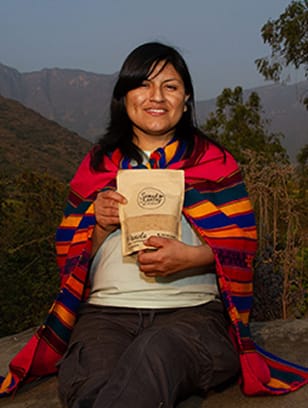
Ysabel Agustina Calderon Carlos, founder and CEO of Sumak Kawsay, effectively leads conservation efforts aimed at halting and reversing pollinator decline while fostering socio-economic development in local communities, especially Indigenous women and youth. Her “Bee Honey Route” project promotes agrotourism, using honey production from native stingless bees and tourism revenue to fund ecosystem restoration, native plant reforestation, research, and conservation. The work yields tangible benefits for biodiversity and ecosystems, supports sustainable livelihoods, and advances gender equality. The environmental enterprise has created an innovative business model that benefits both biodiversity and civil society, supporting economic development and Indigenous rights. Recognized internationally, her initiatives serve as a model for holistic societal approaches.
2020 Awardee
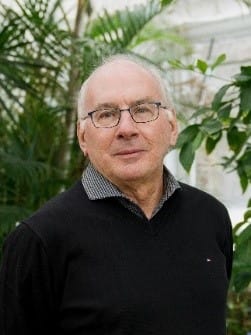
Dr. Paul Hebert holds a Canada Research Chair in Molecular Biodiversity at the University of Guelph where he is the Director of its Centre for Biodiversity Genomics. For the past 20 years, his research has focused on the development of an innovative technique termed DNA barcoding which can almost instantly assign any organism to its proper species. The resulting biodiversity data represent a “global public library” which now contains information on more than 10 million specimens. By establishing the International Barcode of Life Consortium, he created a research alliance which is revolutionizing our understanding of planetary biodiversity. Dr. Hebert’s work is reinforcing our appreciation for the value of nature, aiding its protection, facilitating biodiversity monitoring, and providing everyone with easy access to biodiversity knowledge.

In the context of her participation in the 10th Conference of the Parties to the Convention on Biological Diversity in 2010, Ms. Melina Sakiyama met other young people who shared her vision. Together with Mr. Christian Schwarzer, she co-founded the Global Youth Biodiversity Network (GYBN), with the aim to create a global coalition of empowered youth and youth organizations to build a shared future in harmony with nature. As part of the team, Ms. Sakiyama led efforts to design capacity-building and youth empowerment programmes that supported hundreds of young leaders and youth-led biodiversity conservation initiatives, thus contributing to the implementation of the Aichi Biodiversity Targets and the objectives of the Convention. The Network comprises 551 youth groups, organizations and movements from 145 countries who participate and collaborate with each other on project implementation, policy-making and awareness-raising on biodiversity, and continues to expand across borders and issue areas.

In 2007, Mr. Wirsiy founded the Cameroon Gender and Environment Watch, which focus on solutions to environmental and gender issues. The initiative works with the slogan “think globally, act locally”; it involves local communities in forest conservation and regeneration efforts to collect forest seeds and seedlings, develop tree nurseries, plant forest trees and do forest patrols. Mr. Wirsiy’s apiculture initiatives provided micro-financing opportunities for women, brought sustainable sources of income to communities and reduced bushfires drastically in the regions. He has been leading environmental educational campaign to raise the awareness of hundreds of thousands of forest people and has contributed largely in the regeneration of biodiversity hotspots. Mr. Wirsiy has empowered bee farmers and organized them to honey cooperatives to increase honey quality and quantity for a better market.
2018 Awardee
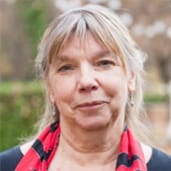
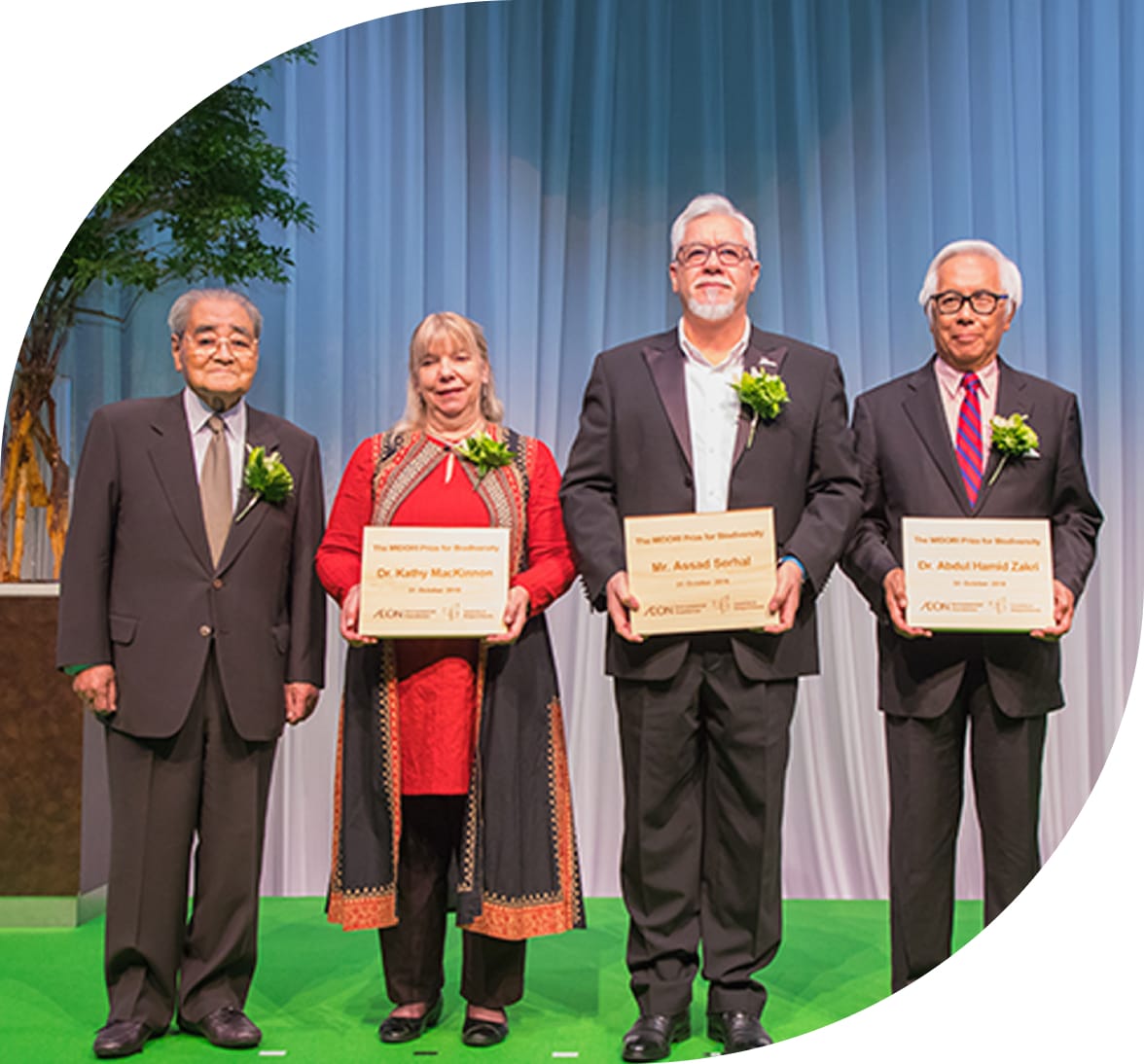
After engaging in field research as a biologist in Indonesia for ten years, Dr. Kathy MacKinnon was appointed as the Lead Biodiversity Specialist of the World Bank. She contributed to numerous projects to strengthen biodiversity conservation and natural resource management in many developing countries in Africa, Asia and Central and South America. She has been cooperating with multiple stakeholders and focusing on mainstreaming of biodiversity in the development programs and securing local sustainable livelihood. Currently she is serving as the Chair of the IUCN World Commission on Protected Areas (WCPA) and she has been contributing greatly to the achievement of the Aichi Biodiversity Targets.
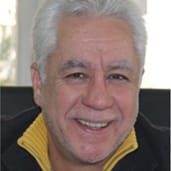
During the civil war in Lebanon, Mr. Assad Serhal established the Society for the Protection of Nature in Lebanon (SPNL) to protect the natural heritage of Lebanon. Finding that Western models for nature conservation and management did not resonate with local communities in the Middle East, SPNL revitalized “Hima” (“protected area” in Arabic), the community-based traditional system for area-based conservation. Mr. Serhal has contributed to the establishment of 22 Himas covering terrestrial, wetland and marine ecosystems and successfully conserving wildlife habitat, pasture land and water resources. They have also empowered the communities and brought the communities a sustainable livelihood. This approach has been adopted elsewhere in the region.
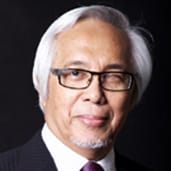
Dr. Abdul Hamid Zakri has been contributing to the observation, analysis and evaluation of global biodiversity and ecosystem services in a career spanning more than four decades, promoting nature conservation and restoration, and contributing to the sustainability of the environment. As a co-chair of the UN Millennium Ecosystem Assessment (MA) and founding chair of the Intergovernmental Science-Policy Platform on Biodiversity and Ecosystem Service (IPBES), he played an important role in raising awareness of biodiversity among global leaders. He also contributed to the promotion of SATOYAMA initiative.
2016 Awardee



2014 Awardee

Distinguished Professor, University of Massachusetts, Boston

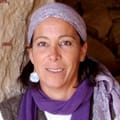
Principal Researcher, National Research Council (CONICET) Argentina
2012 Awardee